
I’ve examined loyalty reward systems across several online casinos, including Lotto Casino, and one pattern keeps showing up: players who treat rewards like a structured system get more value than those who chase bonuses whenever they appear. Intelligent use of loyalty rewards hardly ever comes down to luck. It comes down to interpreting terms, planning your play, and regarding points as a asset you can measure. What follows are actionable tips for evaluating casino loyalty programs with a sharper, calmer outlook.
Understand How Loyalty Programs Truly Work
A casino loyalty program is a rewards layer linked to volume. Every wager or tournament entry can generate points, and those points build toward bonuses, cashback, free spins, or higher tier status. The mechanic has nothing to do with anticipating how a game will go. It recognizes steady, tracked activity. Once I view it that way, I stop anticipating loyalty rewards to turn a losing session around and start regarding them as a small, structured return on the play I already did.
Most programs separate points from comps or tier progression. Points can be redeemed, while tier status might grant multipliers, faster withdrawals, or dedicated support. I’ve noticed players miss that split and forfeit value. A common case is stacking up points but never verifying when tier benefits expire. If you know whether you’re earning spendable points, status credits, or both, it alters which games and promotions merit your attention over the course of a month.
The calmer move is to plan the reward loop before you deposit heavily. Verify how points are calculated, whether different game types contribute at different rates, and whether caps apply. I favor programs that disclose those rates openly, because uncertainty tends to result to poor decisions. Even a rough mental model of points per amount wagered can keep you from overestimating what a tier will give back.
Check the Reward Terms When You Opt In
Terms are the least thrilling part of any loyalty scheme, but they determine whether a reward has real cash value or is mostly decoration. Before I invest time, I check wagering requirements, maximum withdrawal limits, and minimum odds or game restrictions. A reward that seems large can decrease fast once those terms are applied. Checking them first assists me avoid the usual cycle of unlocking something that turns out to be hard to use.
I also look for expiration windows on points and reward codes. Some programs void points after 30 or 90 days with no activity, while others link expiry to account status. If I know a reward is about to expire, I can use it deliberately instead of letting it disappear. This matters most for casual players who don’t log in every week but still collect points slowly over time.
Another detail is whether loyalty rewards are given as cash or bonus funds. Cash rewards usually provide you more flexibility, while bonus funds often include extra playthrough. I weigh these terms across levels, because a higher tier does not always yield a better practical return. The more transparent the redemption rules, the more straightforward it is to treat a loyalty reward as actual value rather than a prompt to keep wagering.
Plan Your Play Around Promotions and Multipliers
Loyalty value tends to peak during promotional windows, including double-point days or tier accelerator events. I aim to transfer a portion of my planned play into those periods instead of distributing it evenly for no reason. That doesn’t imply depositing more than usual. It means using the same budget at a better moment. Timing is one of the few loyalty aspects you can manage directly.
I also verify whether loyalty multipliers stack with other casino promotions. Some sites allow a reload bonus and a points multiplier to run simultaneously, while others prevent stacking. When stacking is allowed, the combined return can be much better. Checking the promo rules before I play stops me from assuming I earned double points when I didn’t.
A relaxed approach to managing timing is to keep a simple note on your calendar rather than reacting to every flashy banner. I mark days when the casino raises loyalty rates and plan one or two sessions around them. That keeps promotions from forcing me into impulsive play. Over a month, the gap between random timing and deliberate timing shows up clearly in your points balance and tier progress.
Track Your Tier Advancement and Expiration Dates
Tier progress often gets overlooked until a deadline appears. I hold a simple note of my points and status expiry dates, because loyalty programs often use rolling periods. A tier earned one month may need activity the next month to keep current. Without tracking, you can lose a benefit simply because you didn’t know it was about to expire.
I also differentiate spendable points from progress that only establishes your tier. Handling them as one thing leads to confusion. Spendable points usually carry their own expiry, while tier status could function on a different cycle. I review both at least once a week. That small habit helps me use rewards while they’re still available and sidesteps the frustration of watching a balance disappear.
Some loyalty dashboards show progress bars or point balances but bury expiration details in account menus. I search for those dates before they become urgent. If a deadline is close, I determine whether using the reward is practical under the terms. If it isn’t, I let it go rather than making a bad wagering decision just to save a modest bonus. Tracking provides you with the information needed to make that call without stress.

Keep Your Wagering Activity Regular
Many loyalty systems reward consistency through monthly tier maintenance or activity-based bonuses. From what I’ve observed, sporadic heavy sessions often generate less long-term value than steady, moderate play. Consistency doesn’t require playing every day. It means staying active within the program’s evaluation period so your points and tier status don’t reset. Small, regular sessions are more manageable to sustain and more manageable to control.
I tend to set a fixed https://www.tradingview.com/symbols/NYSE-UNM/ session budget and treat loyalty points as a by-product of that budget, not the reason for it. When my wagering stays consistent, I can compare one month to the next without chasing losses. It also reduces the risk of depositing heavily right before a tier deadline. The goal is to let loyalty accumulate through normal play rather than forcing it.
If a program demands high volume to hold a tier, I weigh that cost against the actual tier benefits. Sometimes staying consistent at a lower tier is better, because the play needed to remain at a higher level outweighs the extra rewards. I try not to let a loyalty label create pressure. Consistency only works when it fits the budget you already planned to use.
Utilize Rewards for Benefit Rather Than Excessive Risk
The key tip I can offer is to consider loyalty rewards as value you’ve already secured, not as a reason to take on more risk. A cashback or free spins credit should decrease the cost of play, not serve as an reason to bet more boldly. I use rewards within the same limits I’d apply to my own funds. That ensures the program functioning for me instead of steering me toward unplanned bets.
I’ve seen players unlock a reward and instantly increase their stake to seek to optimize it, only to lose the reward and then some. A steadier approach is to employ free spins or bonus funds at the same stake level you’d usually select. If the reward carries wagering terms, I work out whether the projected cost of meeting those terms is lower than the reward value. If it isn’t, I skip it.
Loyalty programs are created to encourage continued play, so I maintain that aspect in mind. There’s no harm with accepting rewards, but the choice should rely on your own limits and the actual value of the reward. I view a loyalty point as a small rebate, not a indication to alter how I play. That perspective holds online casino loyalty rewards in a healthy, impartial place.
Concentrate on Games That Contribute More Points
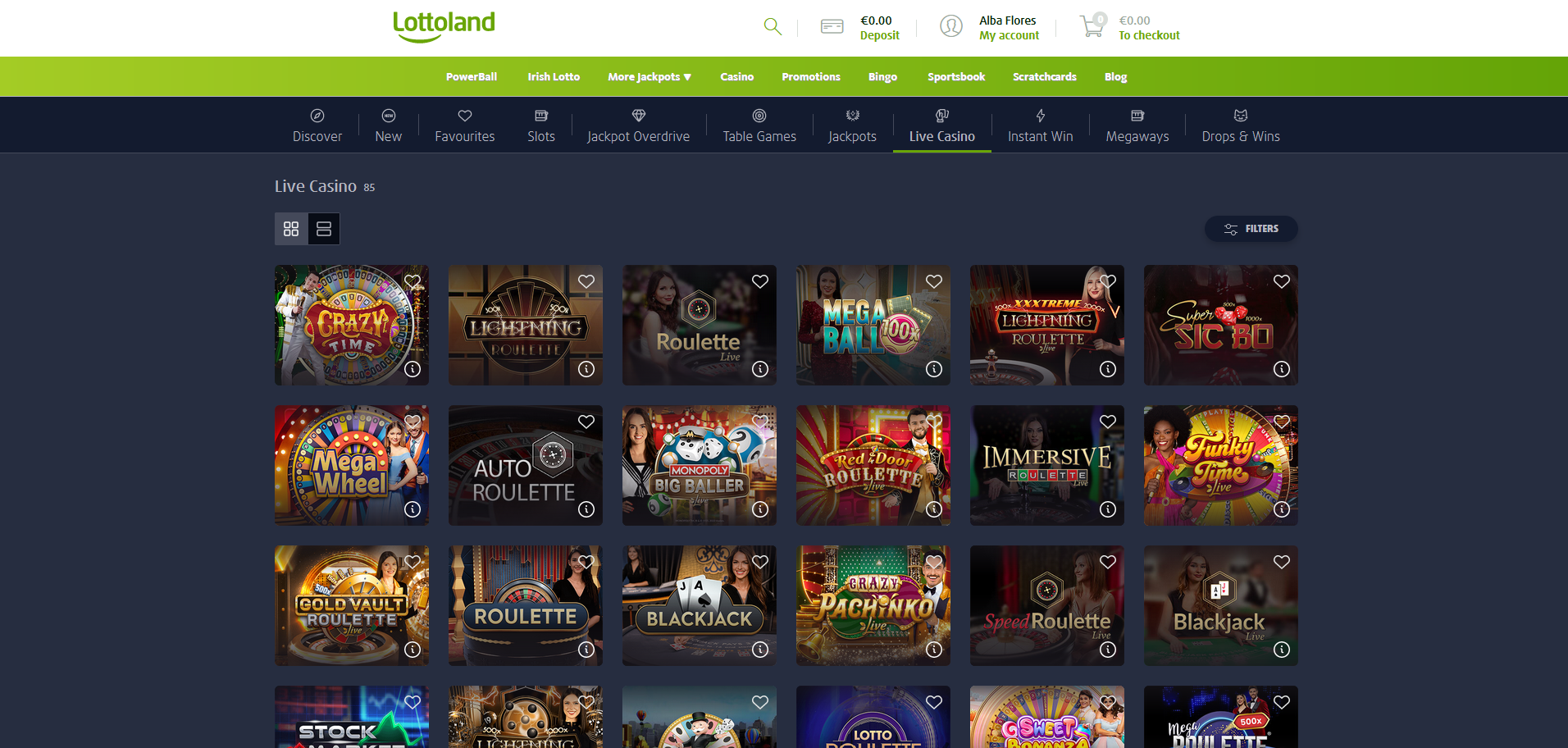
Not all games qualify equally toward loyalty points. Slots often qualify fully, Lotto Casino, while table games and live dealer titles may award a smaller percentage or nothing at all. I watch these contribution rates because they directly influence how much reward you get for the same amount wagered. Selecting a game just because you like it is fine, but you should understand the loyalty trade-off before you jump in.
I’ve discovered that a lower-risk game with a lower contribution rate can still be the better overall choice if bankroll longevity is your goal. The trick is not to hunt points by playing volatile games that eat up your balance quickly. Instead, pair your game selection to both the contribution rate and your session budget. That mix keeps loyalty rewards from becoming an excuse for sloppy play.
Some programs release a list of excluded games or reduced-rate categories. I hold a short mental note of the games I play often and how they credit loyalty. If a table game contributes only ten percent while a low-volatility slot contributes one hundred percent, the difference can compound over several sessions. That knowledge can redefine your weekly play plan without making it appear like work.